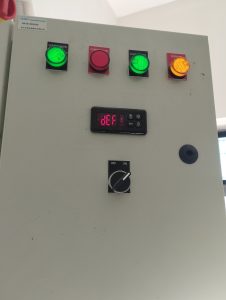

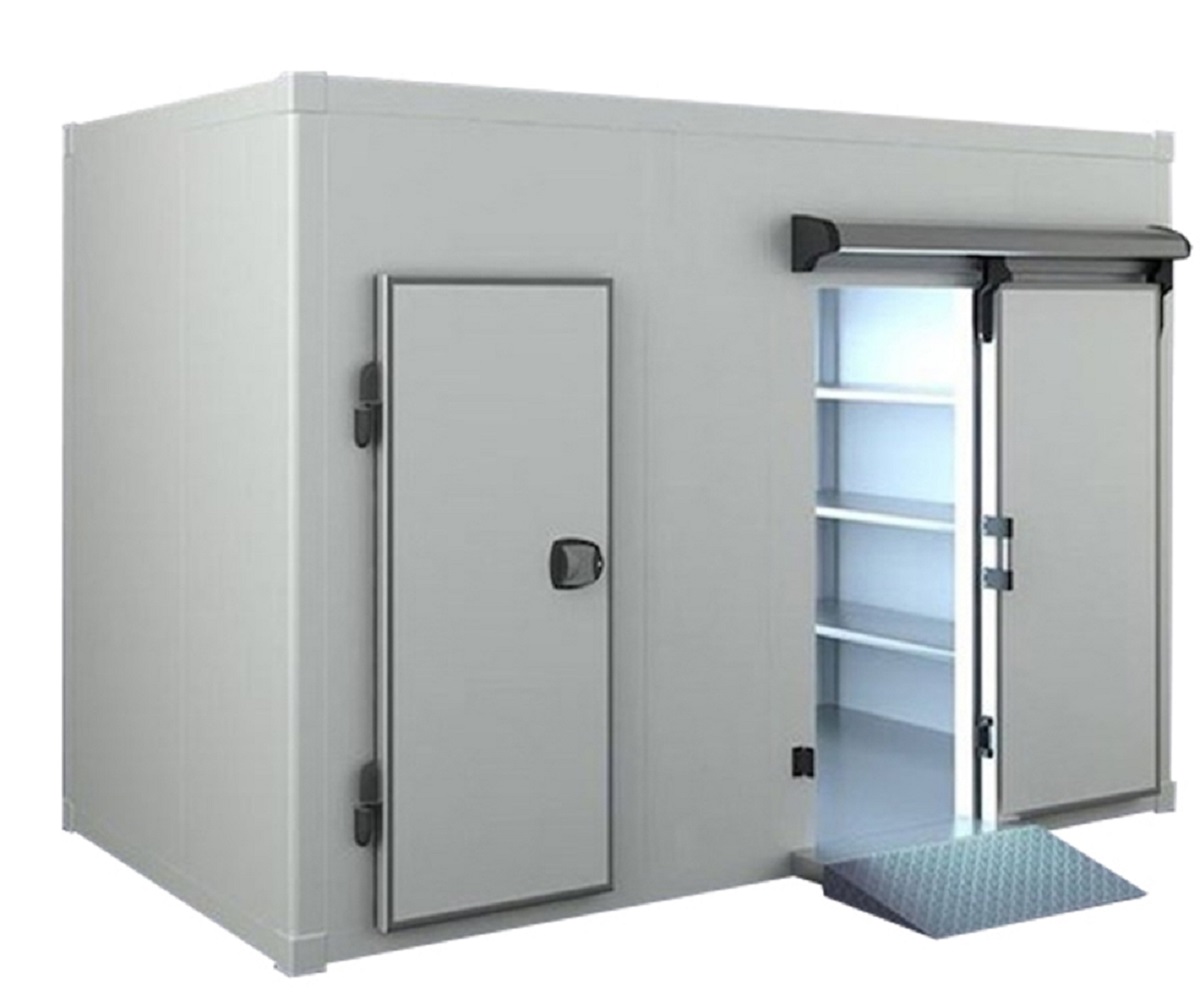
Cold room installation is categorized into two parts: the insulation part and refrigerator part. Listed below are the installation instructions for an effective quality cold room installation,
Cold rooms are important for storing perishable items like food, medicine, and chemicals at specific temperatures. Installing a cold room requires proper planning and expertise. In this article, we will discuss the steps involved in cold room installation.
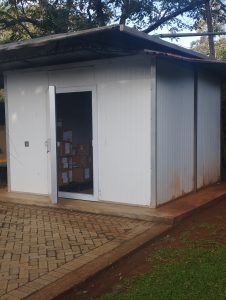 Step 1: Site Inspection and Planning
The first step in cold room installation is to conduct a site inspection and plan the layout. The technician will assess the space available, the type of goods that will be stored, and the required temperature range. They will also determine the location of the refrigeration unit, the type of insulation required, and the necessary electrical and plumbing connections.
Step 2: Design and Build the Cold Room
The next step is to design and build the cold room. The technician will create a blueprint that includes the dimensions, layout, insulation requirements, and refrigeration system specifications. The walls and ceiling will be constructed using insulated panels that are designed to maintain the required temperature range. The flooring will be made of durable materials that can withstand heavy loads.
Step 3: Install Refrigeration System
After the cold room is constructed, the refrigeration system will be installed. The technician will install the compressor, evaporator, and condenser units, along with the necessary electrical and plumbing connections. They will also install the temperature control system, which regulates the temperature in the cold room.
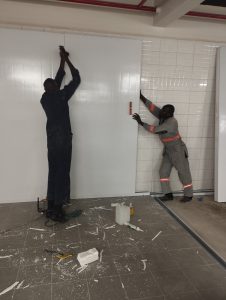 Step 4: Seal the Room
Once the refrigeration system is installed, the technician will seal the room to prevent any air leaks. This is important because even small leaks can affect the temperature and energy efficiency of the cold room.
Step 5: Testing and Calibration
After sealing the room, the technician will test the cold room to ensure that it is functioning properly. They will check for any leaks, verify that the temperature control system is working correctly, and ensure that the refrigeration system is producing the required temperature range. They will also calibrate the temperature control system to maintain the required temperature range.
Step 6: Final Inspection and Handover
The final step in cold room installation is to conduct a final inspection and handover the completed project to the owner. The technician will verify that the cold room meets all regulatory and safety standards. They will also provide instructions on how to operate and maintain the cold room to ensure optimal performance and longevity.
Technical Cold Room Installation Requirements.
- Check the project design and construction materials list, and carefully check the materials and accessories.
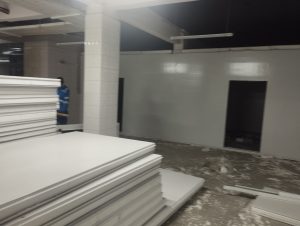
- Before installing, check the number of cold storage panels. When loading and unloading the storage panel, it is necessary to handle it carefully and lay an anti-scratch layer on each of the panels and the ground joint.
- When assembling the cold storage, there should be a gap between the wall and the roof, the ground or the floor must be level, and the construction environment should be clean.
- Before fixing the interior of the storage body with angle aluminum, it should be sealed with glass glue and then fixed with angle aluminum by solid pull. The distance between the rivets is 300mm. The distance between the upper and lower sides of the door is 100mm.
- When choosing the location of the hanging point, first consider the location of the best air circulation. Secondly, in considering the direction of the structure of the cold room
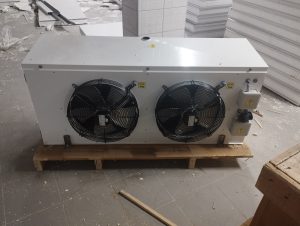
- The gap between the evaporator and the panels should be greater than the thickness of the evaporator.
- All suspension bolts of the unit cooler should be tightened. And use sealant to close the bolts and suspension bolt perforations to prevent cold bridges and air leakage.
- When the ceiling-type evaporator is too heavy, apply No.4 or No.5 angle iron to make a cross-beam. The beam should be spanned to another top panel and wall panels to reduce the load bearing.
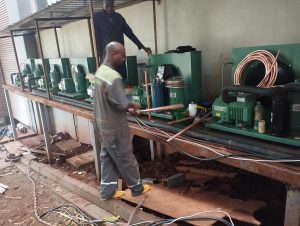
- The semi-hermetic or hermetic compressor should be installed an oil separator, and the appropriate amount of oil to live in the oil division, evaporation temperature below -15 degree.
- The base of the compressor should be installed with a shock-absorbing rubber seat.
- The installation of the unit should leave room for maintenance, which is convenient for observing the adjustment of instruments and valves.
- The high pressure gauge should be installed at the tee of the liquid storage filling valve.
- The overall layout of the unit is reasonable and the color is consistent. The installation structure of each model unit should be consistent.
- Measure the power supply voltage;
- Measure the resistance of the three windings of the compressor and the insulation of the motor;
- Check the opening and closing of each valve of the refrigeration system;
- After evacuating, fill the refrigerant into the storage liquid to 70%-80% of the standard charging amount, and then run the compressor to add gas from low pressure until the amount is sufficient;
- After turning on the machine, firstly listen to the sound of the compressor to see if the sound of the compressor is normal, and check whether the condenser and the air cooler are running normally. Whether the three-phase current of the compressor is stable;
- After cooling down steadily, check each part of the refrigeration system, such as exhaust pressure, suction pressure, exhaust temperature, suction temperature, motor temperature, crankcase temperature, and temperature before the expansion valve. Observe the frosting of the evaporator and expansion valve, and observe the oil level and color change of the oil mirror. Whether the sound of the equipment running is abnormal;
- Set parameters and expansion valve opening according to the frosting and usage conditions of the cold storage.