

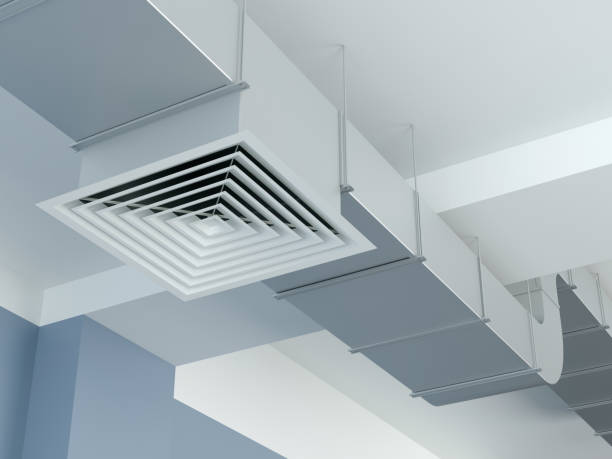
Ventilation Services in Kenya
We are a professional ventilation installation services provider dedicated to providing quality products and services to our clients. Our team of qualified engineers is experienced in installing a wide range of ventilation systems, from industrial to commercial applications. We provide custom-designed solutions for each project, utilizing the latest technologies and cutting-edge engineering techniques to ensure efficient and cost-effective ventilation solutions.
Types of ventilations
There are several types of ventilation systems depending on location type or environment: They include
-
Ventilation systems for new builds
Modern properties are more airtight than older buildings, with virtually no heat loss or draughts. Consequently, damp and moisture can form and have to be extracted to avoid building damage and health issues such as asthma.
Energy-efficient ventilation systems regulate airflow to maintain optimal temperature and humidity levels, therefore ensuring the ultimate occupant comfort. In addition, good ventilation in new properties is not only a design choice but critical to future-proof buildings against rising energy costs and environmental concerns.
In addition to considering the suitability of a particular ventilation system for a project, incorporating it into the design from the beginning is essential to avoid costly implementation changes at a later date. This means input from all the relevant stakeholders is necessary.
Types of house ventilation
A. Exhaust-Only Ventilation
-
Uses fans (e.g., in bathrooms or kitchens) to pull air out.
-
Fresh air enters through passive vents or leaks.
-
Simple and cost-effective.
-
Best for: Smaller or energy-efficient homes with controlled air leakage.
B. Supply-Only Ventilation
-
Uses fans to push fresh air into the building.
-
Air exits through passive vents or cracks.
-
Allows filtering and conditioning of incoming air.
-
Best for: Mild climates or where indoor air quality is a concern.
C. Balanced Ventilation
-
Combines supply and exhaust fans to control airflow in and out.
-
Offers best control of air quality and pressure balance.
-
Often includes filtration.
-
Toilet Ventilation system
This is either a central system (c-MEV) or decentralized option (d-MEV) that extracts stale air from the wet rooms where damp and condensation form and introduces fresh air through trickle vents.
A toilet ventilation system is essential for maintaining hygiene, comfort, and safety in any restroom or bathroom environment. It ensures the removal of odors, humidity, and airborne contaminants.
Advantages of a Toilet Ventilation System
1. Odor Removal
-
Quickly eliminates unpleasant smells from the toilet.

-
Keeps the air fresh and comfortable for the next user.
2. Humidity Control
-
Reduces moisture buildup, especially in combined toilet-bathroom areas.
-
Helps prevent mold, mildew, and damage to walls, paint, and ceilings.
3. Improved Air Quality
-
Removes airborne pollutants, bacteria, and allergens.
-
Contributes to a healthier indoor environment, especially in poorly ventilated buildings.
4. Protects Building Structure
-
Moisture control prevents long-term damage to drywall, wood, tiles, and insulation.
-
Extends the life of paint, finishes, and fixtures.
5. Increases Comfort
-
Makes toilet use more pleasant, especially in public or shared restrooms.
-
Reduces stuffiness and keeps the room feeling clean.
-
Kitchen hood smoke extractors
A kitchen hood smoke extractor, also known as a range hood or exhaust hood, is an essential ventilation appliance used in kitchens to remove smoke, grease, heat, and odors generated during cooking.
A kitchen hood is typically installed above the stove or cooktop and functions to:
-
Extract smoke and steam

-
Trap grease particles
-
Eliminate odors
-
Improve air quality
It works either by venting air outside (ducted) or filtering and recirculating air back into the kitchen (ductless).
Advantages of Kitchen Hood Smoke Extractors
1. Improved Air Quality
-
Removes smoke, steam, and fumes from cooking.
-
Helps prevent breathing issues and eye irritation.
2. Odor Elimination
-
Gets rid of lingering cooking smells (like fish, onions, or spices).
3. Grease Reduction
-
Captures airborne grease that would otherwise coat cabinets and walls.
-
Makes cleaning the kitchen easier and reduces fire risk.
4. Heat and Moisture Control
-
Reduces heat buildup during cooking.
-
Helps maintain a more comfortable kitchen environment.
5. Fire Safety
-
Prevents grease buildup near stovetops, lowering fire hazard.
6. Kitchen Preservation
-
Prevents yellowing of walls and cabinets from smoke.
-
Protects furniture and appliances.
